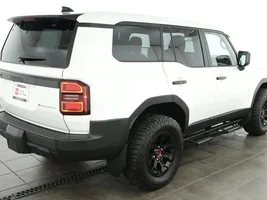
@N96 Looks good from the pics, however the underside can be a completely different story.
For rust concern areas, look over the entire bottom side, heavy undercoating is not good, it's a great way to hide rust.
I'd also want to remove the seats and lift the carpets to check for signs on the inside.
- Check beneath the rear plastics on the rear side windows, they like to rust under the windows there, look up 80 series gull wing window installs videos on You Tube for reference to that.
- Look for water staining on headliner and around the a-pillar trim for evidence of windshield gasket leaks (these are also a rust prone area and tend to leak when the rubber has aged and rust develops that you can't see. This could also point to sunroof and signs the sunroof drains have clogged or come off the drain pan if equip'd, which can and will rust the front floors out and possibly cause electrical issues in the dash. If you have to change that seal, use only Toyota seal and directions which call for a specific glue to be used.
- Look for signs of rust in the front floor pans, pull carpets back (need to pull kick panel trim, one screw on piece near firewall on the outside edge and the rest are clips (x3) in the sill itself). You'll be looking for an area with 3 raised squares for panel stiffening just to the outboard side of the factory silencing mat (sound deadner), this is where the inner fenders bolt to a piece on the firewall side that has two areas where water can enter and a drain that doesn't full drain the cavity (Pics & Video link below for better reference)
- Check above the gas tank, which is another area that it will rust and is quite difficult to hide the evidence due to need to remove the tank to do so.
- Check that everything functions electrically, as those parts are scarce and are usually expensive when you can find them.
-Check condition of front and rear axles visually and by driving, when steering at full lock in both directions give it a little throttle input (bump), if you hear clicking or louder noises you are in for a full rebuild up front, I'm doing this currently (Bearings, Races, seals and brakes on all four corners, ~$3k USD for parts). If there is anything more than light grease on the backside of the swivel balls (ends of front axles) then the seals are shot. If there are oil trails on the tires from sitting parked a few days the seals are shot.
- Check the pinions for slop by rotating the front and rear driveshaft by hand back and forth to gauge differential health, if it's excessive it's best to redo those. Also check for signs of the pinion seal leaking out of the diff at the drive shaft flanges.
- Check condition of front radius arms, as these age the welds around the axles become prone to cracking if not well taken care of or under hard use.
- If you have the rear heater, check the hard lines underneath for rust, this is another normal area. You can make new lines, clean up what you have depending on condition or bypass the rear heater to prevent possible catastrophic engine damage when then let go.
- Research the pesky heater hose if you have a gasoline engine in it.
- Check color of radiator plastic at the top and the heater control valve as well, if these are Grayish, Brownish or chalky they are ticking time bonds for cracking and again you engine is it risk.
- Check condition of all rubber hoses and belts.
- Test drive it, paying attention to gauge readings for anything obvious there. They like to under report water temperature, but the rest should be in the middle while driving above about 30 MPH. Oil pressure will likely be quite low at idle which is normal.
- If I were on the fence about it for just engine health I'd want an oil sample so you can send that off for analysis and compression checks performed.
- If you have the automatic (electric antenna) check that it works, those are prone to failure.
Wood screw in the fender doesn't bode well. These mostly depend on price, DIY skill level or access to a trusted Land Cruiser specialist. Of course, money can't be of much concern for the owner if using a specialist as parts and labor on these are expensive. Many a new buyer to an old Land Cruiser that didn't properly look one over will quickly findout they can cost many times more to maintain or get to a maintainable level than one paid and will quickly result in the cost being double what one is worth and far exceed what one paid. I Love both of my old ones, but they aren't economical or investments by any means.
My 80 is in pristine condition but am in the early stages of doing a driver and passenger side floor patch for what you see in the attached video and there were no outwards signs this had already happened on mine. In fact, mine had no visible rust or signs of rust other than very light surface rust underneath behind the rear axle, has excellent service history documentation (2 prior owners of 17 years each) and only 180km on it with excellent factory original paint and interior. So even a hard looking over on one of these can still result in some surprises.
There are allot of 80 series buyers guide for what to look out for on YouTube.
Donor patch first cut, won’t need this whole piece.
Damage found during cable replacement, looked like surface rust but when investigated resulted in punching holes in a few spots with some heavy finger pressure on the crunchy sounding areas.
This was after doing some temp rehab for a temp patch.