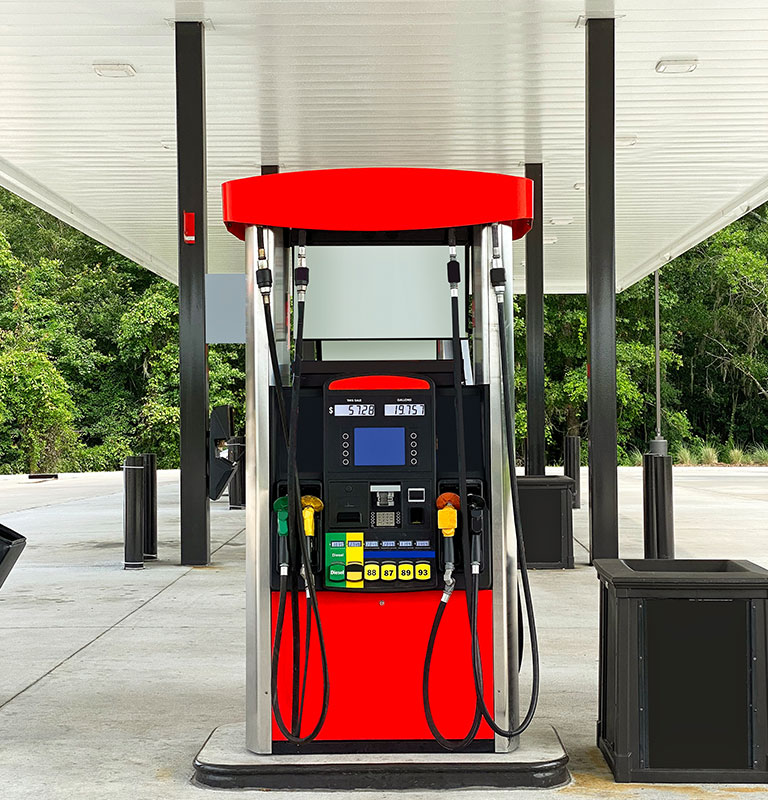
Fuel Type

Shell V-Power NiTRO, Lake Speed (Motor Oil Geek/YouTube) talked about fuel and engine wear.

I was going to mention TMOG’s Shell premium video, but you beat me to it. If I ever stop using 91 or greater octane ethanol free fuel,.. I will be using Shell Premium only..
 
We have ethanol-free locally, and a good product no doubt, but it is APPRECIABLY more than non ethanol-free. Costco alleges their additive package is the same, regardless of the octane rating.
Pure Gas app will help you find E-0 fuel when traveling.
 
I'm no expert. But as a new LC250 owner, i would venture a guess that a newer engine with low miles to be somewhat fine on any grade of fuel. I would think we would notice the difference once we get closer to 75k+ miles.
Welcome to the asylum.
 
4Runner is sold exclusively in North America while the lc is sold globally. Some third world countries may have fuel that is less than desirable to use, thus the “premium fuel only” sticker. Toyota probably assumes most fuels in North America are sufficient for consumption in the 4Runner.
Most gasoline in US would be considered low quality in many parts of the world where a gas powered engine in offered for LC250. So maybe it is the opposite.
 
Engine efficiency is also a factor. Running Premium fuel is optimal & recommended by Mother T, so your LC’s ECU & sensors are happy & don't retard variable valve or spark timing.

Run regular & chances are both get adjusted to prevent knock. Means less power, less MPG, & possible combustion deposits (different from DI valve deposits) that may require a walnut media blast @ $800-$1500 maybe as early as 40-60K miles.

Premium fuel starts looking like the right call!
 
so how much is the E0 premium? Around my area I have found a phillips 66 that that has E0 87 Octane and about 50c more expensive than 91 octane E10.
 
AAA...

Gas Pump Fuel Types Explained: Regular, Premium, and More

What’s the difference between fuel grades? Is premium gas really worth it? Discover which type of fuel your car really needs
Car pumping gas at gas pump; Credit: ViktorCap

Matt Hill
Matt Hill
April 22, 2026·8 min read

If you have ever found yourself at the gas pump wondering what the real difference between fuel grades is and whether premium gas is worth the extra money, then this article is for you. While there are differences between premium, mid-grade, and regular-grade fuels, the type of fuel you choose to put in your tank should be based on what best suits your engine’s needs.

But the differences between gasoline types don’t just stop at the fuel grade or octane rating. In this article, we will look at some of the ways the fuel you use in your car, truck, or lawn mower varies from grade to grade as well as from gas station to gas station.

Gas Station pump

What octane rating means

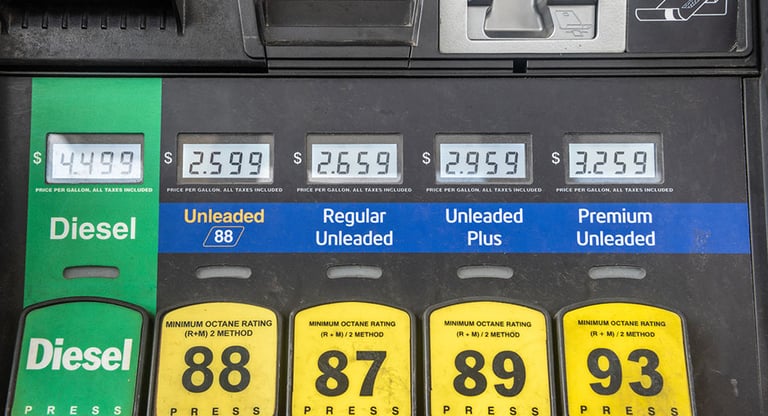
The first step in understanding the difference between fuel types is wrapping your head around the concept of “octane”. Octane is a rating that appears over the different fuel grades at gas station pumps. In most cases, regular octane fuel has an octane rating of 87, while mid-grade fuels are rated 89-90 and premium is rated 91-94.

The term "octane" refers to a fuel's "knock" resistance. Knock occurs when the fuel-air mixture inside an engine cylinder spontaneously ignites outside the normal cycle of combustion due to pressure or heat. In other words, the gas ignites without the spark from a spark plug.

Different fuel types

Regular Gasoline (87 octane)Standard petroleum fuelCheapest, lower compressionMost cars
Mid-grade (89 octane)Blend of regular & premiumSlightly higher performanceSome vehicles
Premium (91–93 octane)Higher octane gasolineBetter for high-performance enginesSports/luxury cars
DieselHeavier petroleum fuelMore energy per gallon, better mileageTrucks, buses, some cars
E85 (Flex Fuel)~85% ethanol, 15% gasolineCleaner burning, less energy per gallonFlex-fuel vehicles only
Electric (EV)Battery-poweredNo gasoline, zero tailpipe emissionsElectric vehicles
HybridGas + electric comboBetter fuel efficiencyHybrid vehicles
[th]Fuel Type[/th][th]What It Is[/th][th]Key Traits[/th][th]Typical Use[/th]

Common gasoline grades at the pump

While the octane rating and price points may be identical from station to station, each brand will sell its own unique fuel recipe. After crude oil is drawn from the ground, it goes through a refining process to turn it into generic gasoline before being stored in tanks and pipelines. This generic gas is then purchased, and brands add their proprietary blend of additives to make the fuel their own. These additives are designed to clean motors and prevent deposit buildup to each brand’s specifications.
  • Regular Gasoline: Regular gasoline is ideal for most everyday vehicles with standard engines and offers the most cost-effective option when higher octane isn’t required.
  • Midgrade Gasoline: Midgrade gasoline suits vehicles that may need slightly higher octane to prevent mild engine knocking, offering a balance between cost and performance.
  • Premium Gasoline: Premium gasoline is required for high-performance or luxury vehicles with high-compression or turbocharged engines, helping prevent knocking and maintain optimal performance.
Girl at Gas station

Special fuels you may see

Not all fuels at the pump are the same. Beyond regular gasoline, drivers may come across several specialized fuel types and blends—each designed for specific vehicles, performance needs, or environmental conditions. Here’s a quick look at some of the most common ones and what sets them apart.
  • E85 (Flex Fuel): E85 is a blend of about 85% ethanol and 15% gasoline, designed for use in flex-fuel vehicles only. It burns cleaner than traditional gasoline but contains less energy per gallon, which can result in lower fuel economy.
  • Diesel: High-octane, premium gas may be recommended by auto manufacturers for high-performance engines. It is in these highly tuned, performance motors where greater temperature and compression are generated, that premium gas earns its higher price point. Conversely, premium gas often makes little if any difference when used in regular economy cars or trucks.
  • Seasonal Gasoline Blends: It may come as a surprise to some motorists, but not only does the "recipe" for gasoline vary from retailer to retailer, but there is also a seasonal aspect to the different blends available at the gas pump as well. Due to its volatile, highly flammable nature, gasoline turns to vapor very quickly when exposed to heat or open air. This same property also means that the gas in your tank is susceptible to evaporation over time, particularly as summer brings warmer temperatures.
    Evaporated gasoline is bad for air quality and the environment, so oil companies take green steps to combat summer heat by altering their fuel recipes slightly. Summer fuel blends make it so gasoline is less volatile and more resistant to evaporation. Similarly, as summer temperatures give way to the cool of winter, winter gasoline recipes render fuels that will still combust effectively, even as winter temperatures dip below freezing.
  • Top Tier Gas: Top Tier Gas is certified as being manufactured with a higher detergent-to-fuel ratio—to prevent the buildup of deposits inside car engines and keep them running efficiently. Although the EPA implemented minimum additive performance standards for all gas sold in the U.S. back in 1995, as engine technology advanced in the early 2000s, many auto manufacturers saw their vehicles coming back to repair shops with sludge and residue from burning dirty fuel.
    In 2004, a group of auto manufacturers got together and created Top Tier detergent gasoline in hopes their higher standards would create fuels that work harder to keep engines clean. Today, Top Tier gas stations are subjected to regular testing to ensure the fuel they are selling meets Top Tier standards to keep their certification. While you can expect to pay more at the gas pump for Top Tier gasoline, studies have shown that drivers who use Top Tier gas over the life of their vehicle will have engines that run more cleanly, efficiently, and last longer.
Fuel pump in a gas station; Credit: gerenme

How to choose the right fuel

When choosing the right fuel, start by checking your owner’s manual and the label inside your fuel door, as these will tell you the exact octane rating your vehicle requires. It’s important to note the difference between “premium required” and “premium recommended”—vehicles that require premium fuel need it to run properly and avoid potential engine damage, while those that only recommend it can typically run on regular without issue, though with possible minor impacts on performance. Common mistakes to avoid at the pump include using a higher octane fuel than necessary, assuming it will improve performance in all vehicles, or accidentally selecting the wrong fuel type altogether.

Frequently Asked Questions

Which fuel grade should you use for your car?
Use the grade listed in your owner’s manual. For most gasoline vehicles, that is regular unleaded 87 octane, and using a higher octane than recommended does not improve performance or fuel efficiency under normal conditions.
When is premium gas recommended for an engine?
Premium is recommended when the manufacturer says the engine needs it, often in vehicles with higher compression ratios, turbochargers, or superchargers. Those engines are designed to take advantage of higher octane fuel, which helps prevent pre-detonation and can improve performance and fuel economy in the right engine.
What does the octane number on the pump actually mean?
Octane is a measure of how well fuel resists knocking or pinging during combustion. In the U.S., regular is typically 87, midgrade is 88 to 90, and premium is 91 to 94, with 85 octane sometimes sold in high-elevation areas.
How does higher octane help prevent engine knock?
Higher octane fuel is less likely to ignite too early under pressure, which helps reduce knock. That matters most in engines that run hotter, squeeze the air-fuel mix more tightly, or use turbocharging or supercharging.
Will using premium in a regular-gas car improve performance?
Usually not. For a car designed to run on regular, higher octane fuel does not improve performance or fuel economy under normal conditions.
What happens if your car calls for premium and you use regular?
The engine may run poorly, and using lower octane than required can lead to engine and emissions system damage over time. It can also cause audible knocking in some vehicles and may affect your warranty.
 
4Runner is sold exclusively in North America while the lc is sold globally. Some third world countries may have fuel that is less than desirable to use, thus the “premium fuel only” sticker. Toyota probably assumes most fuels in North America are sufficient for consumption in the 4Runner.
The hybrid gasoline powertrain in the USA LC250 is only sold in the USA and China as far as I know. The Chinese market LCs are also built in China because of tariffs/import laws.
 
I see it this way- while Land Cruisers and hybrid 4Runners/Tacomas have dissimilar fuel recommendations, dissimilar weight yet the same HP and torque numbers, you may need premium to achieve those numbers in the Land Cruiser.

Either way, I prefer to not have to worry about effects of using lower grade fuel if not absolutely necessary. I am not happy about current prices, but there is not much I can do about that. I remember putting a full tank of Premium non ethanol in my Jeep ten years ago for $80 CDN. I used higher grade fuel for the first four years. The last tank I put in it was $135 for regular plus in the spring of 2025. I moved to lower grade fuel about six years ago when prices shot up.


View attachment 72325

^^ even though this engine was designed to run regular, methinks my combustion chambers paid a price with the lower grade fuel (less cleaning additives)
"this engine" IS NOT designed to run on "regular".

See: Article
 
"this engine" IS NOT designed to run on "regular".

See: Article
Sorta. The LC ECU is mapped to run optimally on premium.
Run regular fuel & the engine isn’t going to fail - instead the ECU listening to knock sensors will just retard the timing, etc. decreasing engine efficiency, power, & mpg.

I added Toyota’s TRD Performance Package to our ‘25 Tundra (now only port installed). New package requires 91 octane to provide the power increase. TRD kit had dual Cold Air Intakes, larger bellows, cat back exhaust & a factory spec reflash of ECU. Power went from 389 to 421HP & bigger thing 479 lb.ft. torque now @ only 2000 rpm. Same engine, just a factory reflash mapping new spark & valve timing allowing it to breath- if using premium. You could put all the TRD parts on, & without the reflash you’d get very little change to power output. Several 3G Tundra folks report throwing on a aftermarket CAI & get a cool turbo pop off sound, no performance gain, & a future w/ CEL warming as MAF sensor isn’t happy. Our engine runs fine on regular, just doesn’t make the power or torque it is capable of. The TRD tune is optimized for premium.

Appears to me the LC is just factory mapped to optimize premium fuel.
 
Last edited:
I've been using Sam's club premium fuel exclusively for the last 10+ years. First in the 2015 GTI, then 2018 S4, and now the 26 LC. Is it top tier gasoline? No. Did I tear down the engines to see if there are any deposits? No. Did I ever have any issues? No. Did I save an average of $0.70/gallon on every fill-up comparing to the gas station next door? Yes.
That shit adds up. Pays for the membership many times over.
 
"this engine" IS NOT designed to run on "regular".

See: Article

If by "this engine" you mean the 2.4 under the hood of my Land Cruiser, I absolutely agree. I haven't put anything into the Land Cruiser's fuel tank that wasn't Chevron 94 ethanol-free premium ;)

I was speaking of the Pentastar under the hood of my Jeep (which is what the photo of carbon-covered combustion chambers was from). That engine didn't require the premium I fed it for the first four years of its life, and when I dropped the grade of fuel I used there were consequences associated with that- less power and a lower amount of cleaning additives that came with that lower grade fuel.

The point of the post you quoted is that those extra cleaning additives in the higher priced fuel prevent issues. I don't want to see that kind of carbon build up in the 2.4, so I use the premium grade in a top tier fuel recommended.
 
Last edited:
so how much is the E0 premium? Around my area I have found a phillips 66 that that has E0 87 Octane and about 50c more expensive than 91 octane E10.
In the last two years I have paid $3.59 to $5.39 per gallon for E0 93 octane.
 
Last edited:
Supporting Vendors View all →
Canvasback
Back
Top Bottom