OP
OP

- Jul 7, 2025
- 1,837
- Media
- 245
- 2,795
- Vehicles
- '25 LC 1958 || '25 Sequoia LTD TRD || '05 TJR || '24 Polaris Ranger 1000 Crew
- Thread starter
- #21
If you have an impacted V35A, which makes up less than 1% of the V35A population, no amount of increased oil change frequency or viscosity manipulation will prevent the inevitable failure. Especially if the causation is debris in the oil channel network. I do agree that these could have a net positive impact on longevity and serve as preventative insurance (albeit, I do not prescribe to alternative viscosity determinations outside of use case qualifiers, if performing 5k changes), I do not think they play any role in the subject examples.Im the guy questioning most on YouTube - if it’s a high interest topic with a shock title, then someone is getting paid for clicks or paid off selling something.
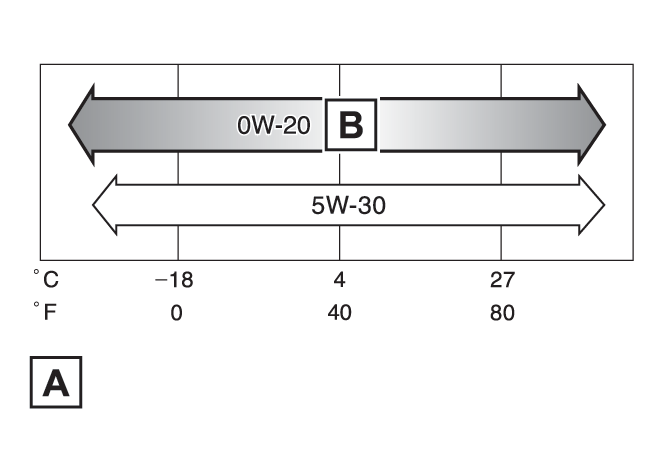
Agree for sure there is a problem & I don’t want to be a part of it if I can do something. I’m vested owning 2 Tundras w/ V35As. Using 5W/30 in our new LC, & 10W/30 in my Tundras is for common sense - high highway speeds, high heat environment (TX), occasionally towing, & when you slow down it’s for a 1 hour stop-n-go traffic jam. Not really conducive to engine life without diligent 3-5K mile oil changes. Maybe that helps, maybe it doesn’t. I don’t think waiting until 10K milers for 1st oil change is a good idea. Early & consistent oil changes are relatively cheap insurance, especially looking @ the engine output by cubic inch:
2026MY:
F-150 5.0L - 302 cu.in. @ 400HP = 1.32 HP/ci
Tundra V35A - 207 cu.in. @ 389HP = 1.87 HP/ci
LC T24A - 146 cu.in. @ 278HP = 1.91 HP/ci
LX600 V35A - 207 cu.in. @ 409HP = 1.98 HP/ci
Tundra V35A (TRD perf pkg) - 207 cu.in. @ 421HP = 2.03 HP/ci
Don’t need my engines in a YT video or @ a dealership.
I also question most of what is on youtube, and (again) I practice discernment when drawing personal conclusions. Stelanis, Ford, GM, Hyundai, Kia... they would ALL KILL to have engine failure rates below 1%. This is all big news because Toyota is known for keeping that number more in the 0.1-0.2% range. And the simple fact of the matter is that the Tundra name has taken a HUGE resale hit because of this (still) better than class average failure rate. These V35 engines have not been torn apart for public consumption until now. If you do a deep dive looking for 3rd party confirmation/contradiction of Toyota's claimed failure point you would find these two videos. Fortunately for us, these are not slander or promotional videos and rest squarely in the realm of informative.


 I also have a small machine shop setup where I do machining (dry machining)
 , but I recall that guy revealing, through his research representing his clients, that multiple countries were impacted. I don’t recall all of them, but do remember he referenced the middle east.

 . What I do know is that Dave has almost 4 decades experience as a master mechanic, and is widely regarded as an authoritative expert outside of youtube. I’ll take his opinion on that particular teardown to the bank. His shop in Utah (I think) was recommended to me way back in 2007 when I had exceeded 800hp on a procharged 2004 terminator and suffered failure from a shoddy top end rebuild in Jacksonville, FL.