Just what we needed another forum post on batteries…. These new vehicle battery problems are ridiculous. In an older battery you can count on summertime heat doing the damage, & colder wintertime temps expose it. These LC failures seem systemic of a new charging system profile & a factory lead acid battery that’s not very robust. How do we know when to replace? I searched but didn’t see a simple ‘How to’ DIY test for battery health. I’m not a mechanic, but get to play DIY when I’m home.
4 ways to test a LC factory battery -
Battery Eye
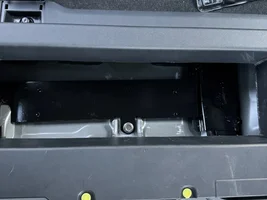
If your LC came w/ Yuasa-made Toyota battery there is actually a battery health monitor built-in. You’ll have to put your cell phone in the battery compartment to take a picture of the top of the battery, or you can remove the battery. Look on top of the Yuasa & there are 6 access ports for adding distilled water. The 2nd port from the left is a Battery Eye - an indicator that shows current battery health. It’s just a guide, but a starting point. Definitions are printed on the battery’s label.
Resting Voltage Test
Need a basic multimeter. Let the LC sit for a few hours (ideally overnight) to stabilize voltage. The DC Hybrid charging profile is rather unique, so even on a healthy battery your readings will probably equate to around 75% charge. The only time I see a full charge is after using my NOCO maintainer to supplement the charging.
To test:
What the Test Readings mean approximately:
Cranking test (needs a helper):
Cycle the fuel door w/ ignition off. - this does a system force to use the 12v battery & starter.
Charging system check:
With the engine running,
Same multimeter leads on the battery.
With the LC running you should see roughly 13.4v to 14.6v.
This test is looking at the voltage output arriving to charge the battery.

4 ways to test a LC factory battery -
- Battery Eye
- Resting Test
- Cranking Test
- Charging Test
Battery Eye
If your LC came w/ Yuasa-made Toyota battery there is actually a battery health monitor built-in. You’ll have to put your cell phone in the battery compartment to take a picture of the top of the battery, or you can remove the battery. Look on top of the Yuasa & there are 6 access ports for adding distilled water. The 2nd port from the left is a Battery Eye - an indicator that shows current battery health. It’s just a guide, but a starting point. Definitions are printed on the battery’s label.
- CLEAR = Add distilled water
- RED = Needs charging
- BLACK = OK
Resting Voltage Test
Need a basic multimeter. Let the LC sit for a few hours (ideally overnight) to stabilize voltage. The DC Hybrid charging profile is rather unique, so even on a healthy battery your readings will probably equate to around 75% charge. The only time I see a full charge is after using my NOCO maintainer to supplement the charging.
To test:
- Set the multimeter to DC volts (20V range)
- Open the cargo battery compartment to gain access to the battery terminals
- Red probe to the positive battery terminal
- Black to the negative
- Hold for 10-15 seconds to get good voltage reading
What the Test Readings mean approximately:
- 12.6V or higher: fully charged, healthy
- 12.4V: about 75% charged
- 12.2V: about 50%
- Under 12.0V: discharged or failing
Cranking test (needs a helper):
Cycle the fuel door w/ ignition off. - this does a system force to use the 12v battery & starter.
- Do the same setup for the Resting Voltage Test, while someone starts the LC.
- Voltage should stay above about 9.6V during cranking
- If voltage drops below that, the battery is weak.
Charging system check:
With the engine running,
Same multimeter leads on the battery.
With the LC running you should see roughly 13.4v to 14.6v.
This test is looking at the voltage output arriving to charge the battery.