I have mentioned more than a few times on this forum of the horrible 5K service that I experienced at a Toyota dealership in Ocala, Florida while my GF and I were traveling a couple of years ago.
The worst thing that I saw (I watched the entire service from the garage door) was when bubba was rotating the brand new Michelin LTX tires. He ran down the lug nuts with his air impact driver in a circular fashion, and upon getting them tight, he continued impacting them for what seemed like an eternity, in reality, only about 5-7 seconds.. it was all I could do to not run over there and take the air impact wrench away from him (and beat him with it ). Instead, I calmly asked him how many foot pounds of torque his impact gun tightened the lug nuts. He proudly boasted, 250 foot pounds!!! He then took out a torque wrench and re-torqued the lug nuts, again in a circular fashion. I asked him what he was torquing them to... 93 foot pounds he replied
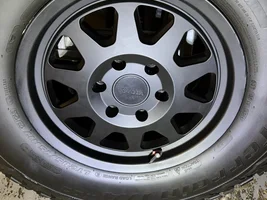
I left that dealer and drove 4 miles down the road and bought my 5th torque wrench and a 21 mm socket, and retorqued the wheels right there in the Lowe's parking lot.
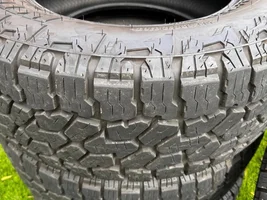
Ever since that day, the OEM Michelin tires made a wawawawawawa noise going down the highway. Miss Daisy's brand new Bridgestone Dueler AT Ascent tires do the same, but at a different, lower pitch.
I recently learned that over tightening lug nuts can warp/bend the brake rotors.
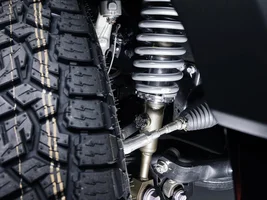
I need to measure the run out on the rotors, so I can justify spending ~$650 to replace all four rotors. I already have a tool to do so (Horrible Freight).
Any suggestions on the best way to measure the run-out? I am guessing, put Miss Daisy up on four jack stands, remove the tires, and measure.
But I am not sure the best way to do so. I am guessing put her in neutral, and give them a slow spin, one rotor at a time??
The worst thing that I saw (I watched the entire service from the garage door) was when bubba was rotating the brand new Michelin LTX tires. He ran down the lug nuts with his air impact driver in a circular fashion, and upon getting them tight, he continued impacting them for what seemed like an eternity, in reality, only about 5-7 seconds.. it was all I could do to not run over there and take the air impact wrench away from him (and beat him with it
). Instead, I calmly asked him how many foot pounds of torque his impact gun tightened the lug nuts. He proudly boasted, 250 foot pounds!!! He then took out a torque wrench and re-torqued the lug nuts, again in a circular fashion. I asked him what he was torquing them to... 93 foot pounds he replied I left that dealer and drove 4 miles down the road and bought my 5th torque wrench and a 21 mm socket, and retorqued the wheels right there in the Lowe's parking lot.
Ever since that day, the OEM Michelin tires made a wawawawawawa noise going down the highway. Miss Daisy's brand new Bridgestone Dueler AT Ascent tires do the same, but at a different, lower pitch.
I recently learned that over tightening lug nuts can warp/bend the brake rotors.
I need to measure the run out on the rotors, so I can justify spending ~$650 to replace all four rotors. I already have a tool to do so (Horrible Freight).
Any suggestions on the best way to measure the run-out? I am guessing, put Miss Daisy up on four jack stands, remove the tires, and measure.
But I am not sure the best way to do so. I am guessing put her in neutral, and give them a slow spin, one rotor at a time??