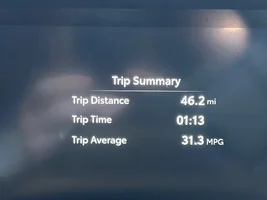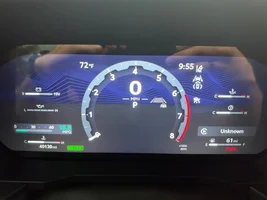
90 octane non-ethanol vs 91 octane w/10% ethanol.

I have only found E0 at a few stations, but it doesn’t list octane. I asked the attendant what the octane was and she said 87. This is in Colorado so ours is generally lower than lower elevations, but I was surprised it was that low. My question is, is 87 E0 better than 91 E10? Is it even a good option?
I don’t know the answer to your question. But due to Toyota’s guidance and recommendations, it seems safer to use 91 octane E10. But, as I have mentioned elsewhere, there’s an app which is a great help for finding E0 fuel. Sometimes it’s incorrect, and users can edit the database on the website using a browser.

IMG_0626.webp
 
I recently posted on 93 E0 vs 90 E0, ~400 interstate highway miles each way, 63mph, 30+ MPG with 93 octane E0 on the way south, and 28+ MPG with 90 octane E0 going north. There’s at least one YouTube video showing the same in F-150’s.
Driving south will always yield better gas mileage than driving north. This is due to the gravitation pull on the earth surface incunjuction with the centrifical force generated as a result of the earth spinning on it's axes.
 
Driving south will always yield better gas mileage than driving north. This is due to the gravitation pull on the earth surface incunjuction with the centrifical force generated as a result of the earth spinning on it's axes.
Welcome to the asylum.
 
Driving south will always yield better gas mileage than driving north. This is due to the gravitation pull on the earth surface incunjuction with the centrifical force generated as a result of the earth spinning on it's axes.
Yes of course, and our cars are lighter at the equator. Centrifugal force drives car designers nuts. ;)
 
Back
Top Bottom