2400 Watt Inverter

I'll be running a similar setup, except with ecoflow delta 2 max.

I'm curious though, does the car maintain 2.4kw output while driving? I'd like to be able to charge while driving.
My apologies for not responding earlier. I can't say for certain because I've taken all the gear out at the moment. However, I do know that the Anker battery was charging up extremely fast while driving around and 100W would not have been able to achieve that leading me to believe it was providing high output wattage, even while driving.
 
This is a nice summary by Ford for different use cases with their PowerBoost inverter system used in their pickups. I wish Toyota would publish something similar along with a user guide dedicated to how to make the most of its 2400 watt system.
 

Attachments

Just had the LC out on the trail last weekend with a Jackery 1000plus. Ran it down to 50% with Starlink and camp electronics overnight, and plugged it back in to the inverter once we hit the trail in the AM. LC had it back at 100% in a short period of time. So also imagine it’s high output while driving.
 
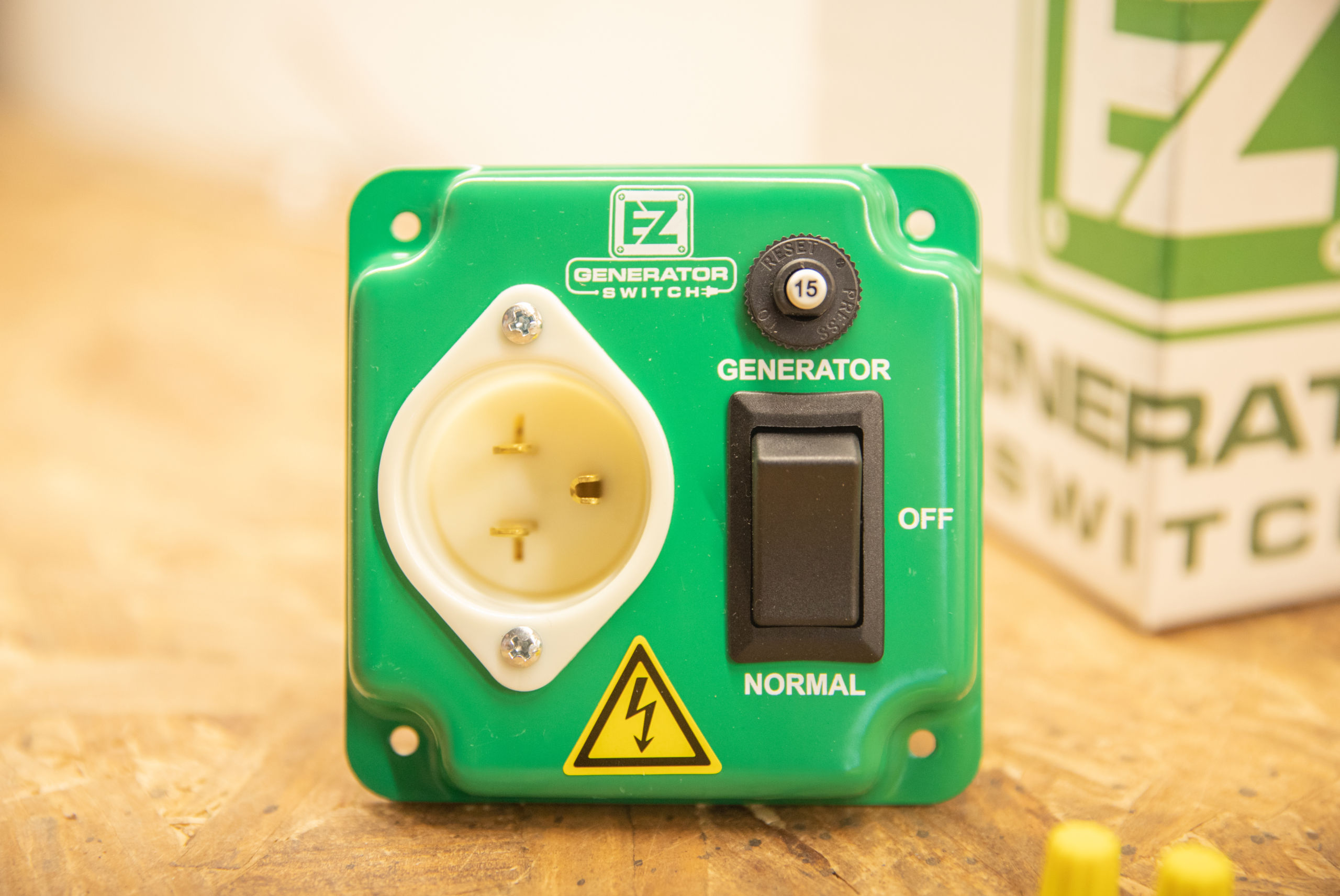
Wondering if I could plug my LC’s 2400 inverter directly into an EZ Generator switch wired directly into my home electrical panel’s gas furnace circuit for emergency backup power in case of outages. Any thoughts?
 
Wondering if I could plug my LC’s 2400 inverter directly into an EZ Generator switch wired directly into my home electrical panel’s gas furnace circuit for emergency backup power in case of outages. Any thoughts?
IDK if the inverter is compatible with your switch, seems like I read somewhere, something about the inverter's bonded ground and the house panel not liking each other (or vice-versa).

My advice would be to consult an electrician as parts are expensive.
 
Wondering if I could plug my LC’s 2400 inverter directly into an EZ Generator switch wired directly into my home electrical panel’s gas furnace circuit for emergency backup power in case of outages. Any thoughts?
You'll need to check your specific furnace's power requirements first.
  • Typical residential gas furnace: 400-1500W running
  • Main draw is the blower motor (300-1000W)
  • Control board, igniter, inducer fan: 100-400W combined
  • Startup surge: 2-3x running wattage for a few seconds when the blower kicks on
You can do the P=I*V math to get the theoretical draw based on your furnace specs. Check the blower motor's amperage rating. For example mine is 7.2 Amps and 120 Volts for US mains. So my system would draw 864 Watts nominally (7.2*120). The unknown is the exact startup surge and if that would exceed 2400 Watts. In my case somewhere between 1728-2592 watts, so there is some risk for me to trip the system, but that wouldn't stop me from trying if I was in a cold snap power outage.
 
One other thing to watch out for that @drewby already alluded to is the Amperage draw. Here in Tennessee, as you may have heard, had a bad ice storm last week like many other areas. Fortunately, WE did not lose power, but we have some friends that are still out of power and the electric company is saying it could be another 7-10 days before they get it back. It really made me start thinking about options in case we do lose power in the future.

Fortunately, we have a gas water heater that requires NO electricity, and we also have a gas furnace. I watched this YouTube video a few years ago where the guy shows you how to rewire your furnace to run on a traditional heavy-gauge extension cord plugged into a 110V outlet. Then, when the power goes out, theoretically, you can plug it into a battery power station like a Jackery, EcoFlow, Anker, etc.. Granted, it wouldn't run it 24 hours a day for a week (unless you had the multi-thousand-dollar power station), but if it ran it for 10 minutes an hour during the coldest temps, it MAY keep your house warm enough to keep your pipes from freezing.

Anyway, I was going to do it, but never got around to it. Fortunately, I didn't need to worry about it this time, but I did follow through with the video, and the new wiring works just fine. However, when I plugged it into my Anker Solix C800, it would run for a few minutes and then the Anker would shut off completely. This was confusing me since the Anker has a 1200Watt continuous and 1600W peak output. So, I plugged the furnace into my handy-dandy device that measures wattage and amps passing through, and sure enough, the wattage never got over 1,000. However, when it was at peak draw, it was hovering around 9.85 amps. The Anker's output is 1200W at 10 Amps. My guess is that it was occasionally spiking over the 10 Amps, and the Anker was shutting down as a protective measure.

Anyway, I'm not 100% sure what the amps out are on the inverter but that is something to consider in addition to the total wattage. I'm considering buying a larger Anker that has a 20Amp output for emergency purposes. I really like the Anker's because they have a "turbo charge" feature where I could conceivably have the 2KWH station recharged completely from my truck (or Startbucks/McDonalds) in less 1.5 hours in an emergency. Some of the others have the quick charge as well but since I already have an Anker and the app to control it, I may keep my next one "in the family" so to speak.
 
Last edited:
Your trailer AC is probably peaking at about 20amps for 13kbtu. The LC is 2400/120 - good for 20amps. Running a trailer AC, maybe. With the startup load for the AC, I personally think the LC would be overloaded. The worst that may happen is you pop the LC breaker. Then you may need to use an external generator. Now, I’m considering that only the trailer AC is on, nothing else. The LC could not supply the 30AMP service your trailer uses. I’m assuming that your trailer is 30 amps?

See page 511 in the owner’s manual.
I have a 30amp trailer and had a "slow start" board added to my trailer AC. Makes a big difference, I can run it off a 20 amp outlet no problem and usually off a 15 amp common household outlet (both cases with the adapter). So I'm guessing the LC could run the AC if you installed a slow start board. Previous post is right that once you add more on top, esp. the elec water heater or microwave, if AC is running you'll trip the breaker.
 
I've been charging my Jackery 1000 V2 at 1.4kW for the last 12,000-miles. Run an extension cord, hit the 'AC Inverter' button when you need to charge. Modern power stations have an absurd AC charge rate, with most being able to go 0-100% in an hour. This Jackery can run my 55L ICECO fridge for a week (priority). When off-grid, I have the Starlink Mini, electric kettle, and small B&D air fryer. While out on the trails, it's constantly charging. It would take 400W of solar to achieve even the lowest rate of charge from using the 2.4kW inverter with my Jackery set on the slowest charge rate.

This is one of the best features of the LC. I was building these systems for a decade prior, cost me a ton of money investing in solar, PSW inverters, DC-DC chargers and LiFeP04 batteries. This is slept on by so many people, because they don't camp or off road. For those of us that do, it's fantastic.
 
Last edited:
I've been charging my Jackery 1000 V2 at 1.4kW for the last 12,000-miles. Run an extension cord, hit the 'AC Inverter' button when you need to charge. Modern power stations have an absurd AC charge rate, with most being able to go 0-100% in an hour. This Jackery can run my 55L ICECO fridge for a week (priority). When off-grid, I have the Starlink Mini, electric kettle, and small B&D air fryer. While out on the trails, it's constantly charging. It would take 400W of solar to achieve even the lowest rate of charge from using the 2.4kW inverter with my Jackery set on the slowest charge rate.

This is one of the best features of the LC. I was building these systems for a decade prior, cost me a ton of money investing in solar, PSW inverters, DC-DC chargers and LiFeP04 batteries. This is slept on by so many people, because they don't camp or off road. For those of us that do, it's fantastic.
Pictures of setup please?
 
Supporting Vendors View all →
Back
Top Bottom